
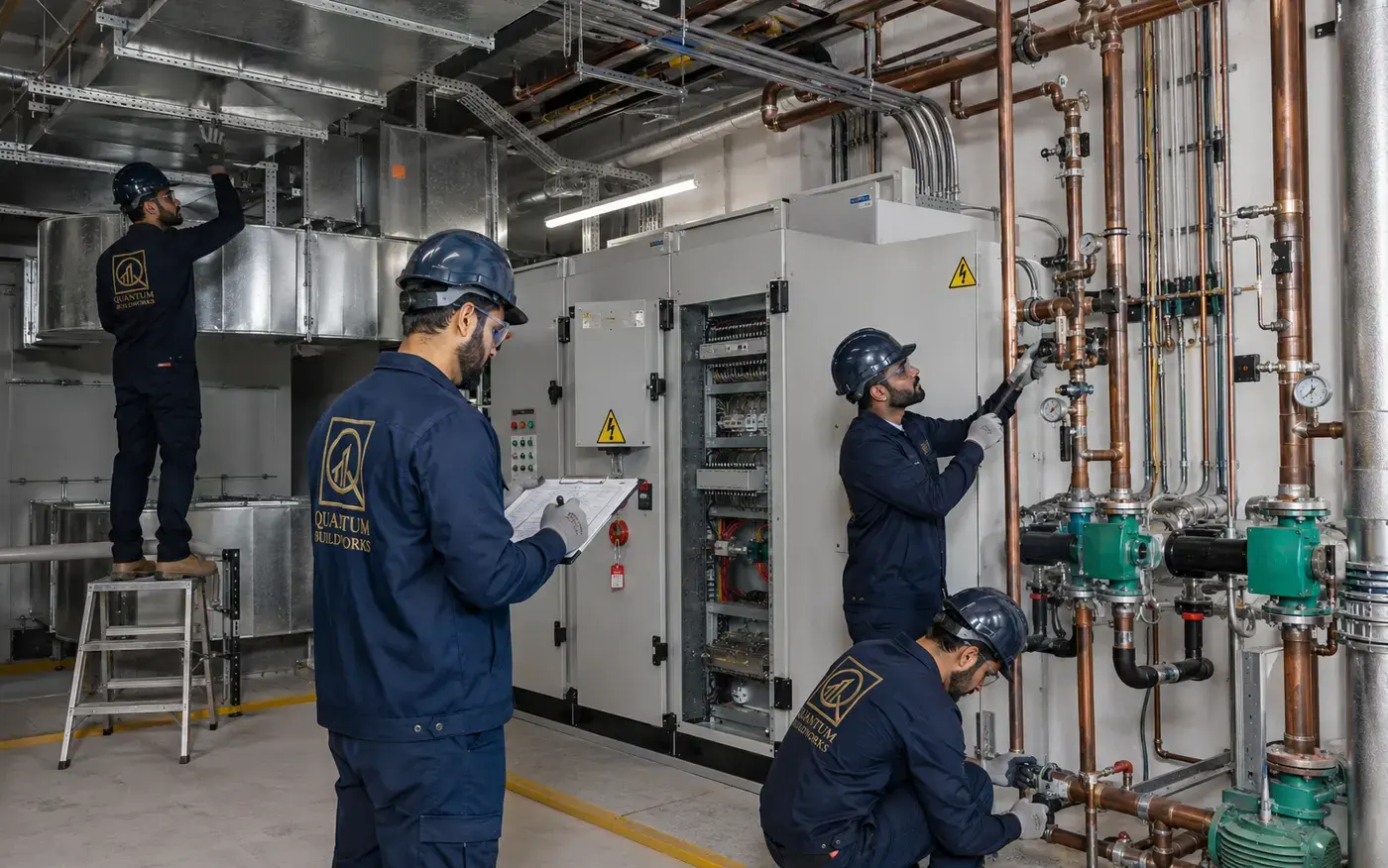
1. Define the exact technical requirement
Start with the equipment, material or system description and the project reference that controls it. For MEP work, the size alone is rarely enough; capacity, rating, voltage, pressure class, material, connection type and applicable standard can all affect what is technically acceptable.
Where a consultant-approved brand list, specification or drawing applies, attach the latest revision and state whether an equivalent may be proposed. This prevents suppliers from pricing different technical bases.
- Discipline, system and item description
- Drawing, BOQ and specification reference
- Capacity, size, rating, voltage, pressure or airflow requirement
- Approved brand, model or acceptable-equivalent rule
2. Separate quantities, accessories and interfaces
List each item with a clear unit of measure and do not combine different sizes or ratings into one line. Include accessories, supports, controls, fittings and interface items where they are part of the supply scope; these are often missed when only the principal equipment is quoted.
- Confirmed quantity and unit for every line item
- Required fittings, accessories, controls and consumables
- Whether installation, testing or commissioning is included
- Any phased-delivery or site-storage requirement
3. State approvals and documents before ordering
A quotation and a technical approval are separate steps. Identify the documents required for review, such as data sheets, compliance statements, certificates, warranty information, samples or manufacturer authorisation. The project procedure and authorised reviewer remain the final control for approval.
- Technical data sheets for the proposed model
- Compliance comparison and visible deviations
- Applicable test reports, certificates and warranties
- Submittal number, revision and required approval date
4. Compare commercial and delivery conditions on one basis
A low price can reflect a different brand, incomplete scope or a longer delivery route. Compare offers against the same technical item and confirm stock location, lead time, freight, tax, delivery, offloading and exclusions before making a commercial decision.
For site delivery, confirm the receiving contact, delivery window, access limitations and unloading arrangement before dispatch. This helps avoid an otherwise ready material being delayed at the last step.
- Technical compliance, stated alternative and deviation
- Stock status, origin and realistic lead time
- Price, tax, freight, delivery and offloading scope
- Quotation validity, payment terms and warranty
Send a complete MEP or HVAC enquiry
Share the RFQ, BOQ, drawings, specification, delivery location and required date together wherever possible. Quantum Buildworks can review MEP, HVAC, electrical and plumbing material requirements for Qatar, the UAE and global delivery destinations, then respond against the information provided.
Specifications, approvals, documentation and delivery requirements vary by client, consultant, jurisdiction and project. Confirm the controlling requirement before purchase or execution.